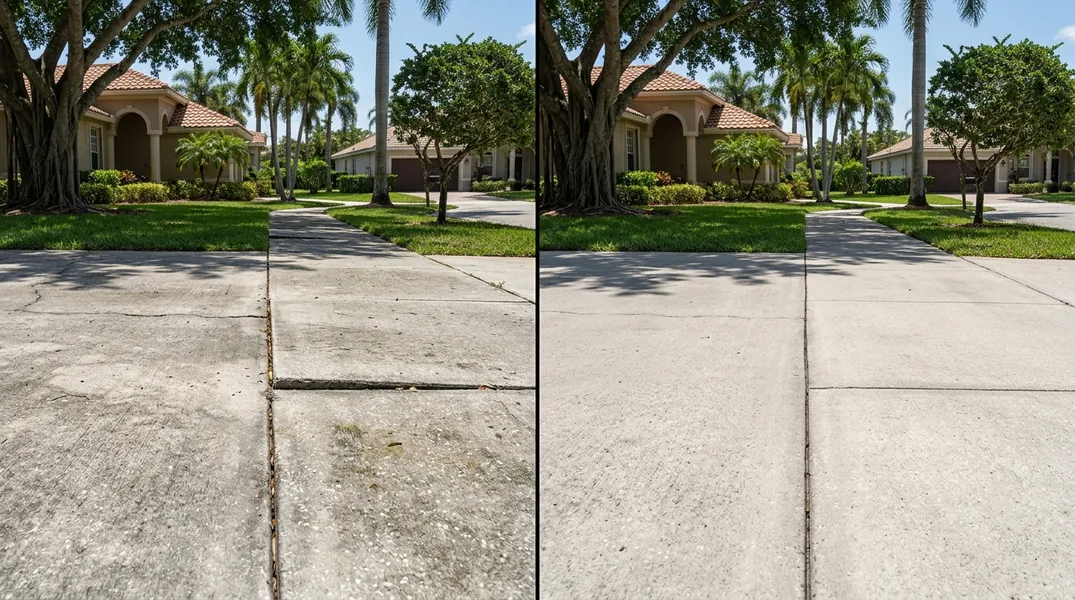
Understanding Fort Lauderdale's Unique Soil Composition
Fort Lauderdale sits on a geological foundation unlike many other parts of the United States. The region's soil is predominantly composed of sand and shells, with a significant limestone base lying beneath. This combination creates both advantages and challenges for property owners planning concrete work. The sandy nature of the topsoil means it doesn't compact as firmly as clay-based soils found in other regions, which can affect how well concrete foundations settle and perform over time.
The limestone layer underneath is a remnant of ancient marine deposits, a natural feature that defines much of South Florida's geology. While limestone can provide some structural support, it's also susceptible to dissolution when exposed to acidic groundwater, a concern that becomes more pronounced given the region's high water table. Understanding this composition is essential for anyone investing in Concrete Driveways or other concrete structures. When contractors and homeowners ignore these geological realities, problems like settling, cracking, and premature deterioration often follow.
The High Water Table: Fort Lauderdale's Hidden Challenge
One of the most significant factors affecting concrete in Fort Lauderdale is the region's notoriously high water table. In many areas, groundwater sits just a few feet below the surface, sometimes rising even higher during the wet season or after heavy rainfall. This constant presence of moisture creates pressure on concrete slabs from below, leading to a phenomenon known as hydrostatic pressure. When water pushes upward against your concrete driveway or patio, it can cause the slab to shift, settle unevenly, or even heave upward in certain spots.
High water table slab settling is a common issue that homeowners encounter, often manifesting as cracks, uneven surfaces, or areas where the concrete has sunken relative to adjacent sections. The problem is exacerbated by the sandy soil's poor drainage characteristics. Unlike clay soils that shed water laterally, sand allows water to percolate downward quickly, saturating the base layer beneath your concrete. This saturation weakens the soil's load-bearing capacity, making it less able to support the weight of the slab above. Without proper drainage solutions and base preparation, even a newly installed concrete surface can begin to show signs of distress within a few years. If you're noticing these issues, Concrete Repair & Resurfacing may be necessary to restore your surface and address the underlying causes.
Limestone and Sand Base: The Foundation Challenge
Creating a stable base for concrete in Fort Lauderdale requires careful consideration of the limestone and sand composition. A proper limestone sand base concrete installation begins with understanding how these materials interact with moisture and weight. The limestone base, while naturally present, isn't always suitable for direct concrete placement without additional preparation. Contractors need to evaluate the limestone's condition, looking for signs of erosion, voids, or soft spots that could compromise the foundation.
The sand layer presents its own set of challenges. While sand provides some drainage benefits, it also compacts unevenly and can shift over time, especially when saturated. Professional concrete contractors in the region know that a limestone sand base concrete system requires a carefully engineered approach. This typically involves adding a compacted stone base layer, installing proper drainage systems to manage groundwater, and sometimes incorporating a moisture barrier to reduce hydrostatic pressure. Skipping these steps or using inadequate base materials is a false economy that often leads to costly problems down the road. The initial investment in a proper base system pays dividends in longevity and performance.
Why Concrete Settles and Cracks in Fort Lauderdale
Slab settling in Fort Lauderdale occurs when the soil beneath the concrete loses its ability to support the weight of the surface. This happens through several mechanisms, all related to the region's geology and water conditions. As the sandy soil becomes saturated, its bearing capacity decreases significantly. Additionally, the limestone beneath can develop small cavities or voids as acidic water dissolves portions of the rock, creating hollow spaces. When a concrete slab loses support from below, it settles into these voids, creating stress points that lead to cracking.
Differential settling is particularly problematic because different sections of your driveway or patio may sink at different rates, depending on variations in soil composition and drainage patterns. This uneven settling creates stress in the concrete itself, and the material responds by cracking. Homeowners often notice a step or lip where one section of concrete has settled relative to another, creating a tripping hazard and an eyesore. The cracks also allow water to penetrate deeper into the base, accelerating further deterioration. Understanding that settling is a natural consequence of Fort Lauderdale's geology helps homeowners make informed decisions about maintenance and when to seek professional help.
Prevention and Maintenance Strategies for Fort Lauderdale Concrete
The best approach to concrete longevity in Fort Lauderdale is prevention through proper installation and ongoing maintenance. When installing new concrete, working with experienced contractors who understand local soil conditions is essential. This means specifying adequate base preparation with appropriate drainage solutions, using reinforcement to minimize cracking, and ensuring proper slope for water runoff. Many homeowners don't realize that the decisions made during installation have a dramatic impact on how their concrete performs over the next 10 to 20 years.
Maintenance should focus on managing water around your concrete surfaces. Keep gutters clean and direct downspouts away from driveways and patios. Fill small cracks promptly to prevent water infiltration, which can accelerate deterioration. Monitor your surfaces for signs of settling or new cracks, and address them early before they become larger problems. If you notice significant cracking, uneven sections, or other signs of distress, professional evaluation is warranted. The team at Fort Lauderdale Concrete can assess your specific situation and recommend whether Concrete Repair & Resurfacing is appropriate or if a new installation would better serve your long-term needs.
When to Call a Professional Near You
Recognizing when to seek professional help is crucial for Fort Lauderdale homeowners. If your concrete is showing signs of significant settling, has cracks wider than 1/8 inch, or displays uneven sections that create tripping hazards, it's time to contact a professional. Similarly, if you're planning new concrete work, consulting with a contractor who has deep experience with local soil and water conditions will ensure your project is built to last. The expertise of professionals who work regularly with Fort Lauderdale soil conditions is invaluable in avoiding costly mistakes.
Fort Lauderdale Concrete has served the community for years, helping homeowners and businesses navigate the unique challenges posed by the region's geology. Whether you're dealing with an existing problem or planning a new project, getting a free estimate is a smart first step. You can reach the team at (754) 218-2497 to discuss your concrete concerns and learn about solutions tailored to Fort Lauderdale's specific conditions. Don't wait until minor issues become major repairs. Professional assessment and timely action can save you thousands of dollars and extend the life of your concrete significantly.
Looking for a professional concrete contractor in Fort Lauderdale? Fort Lauderdale Concrete responds fast for all your concrete needs.
Get a Free QuoteOur services: Concrete Driveways · Concrete Patios · Stamped & Decorative Concrete